How to Politely Decline a Wedding Invitation (4-Line Guide)
The polite way to decline a wedding invitation: the 4-line shape (thank, decline, reason, wish well), when to give a reason, and 5 mistakes to avoid.
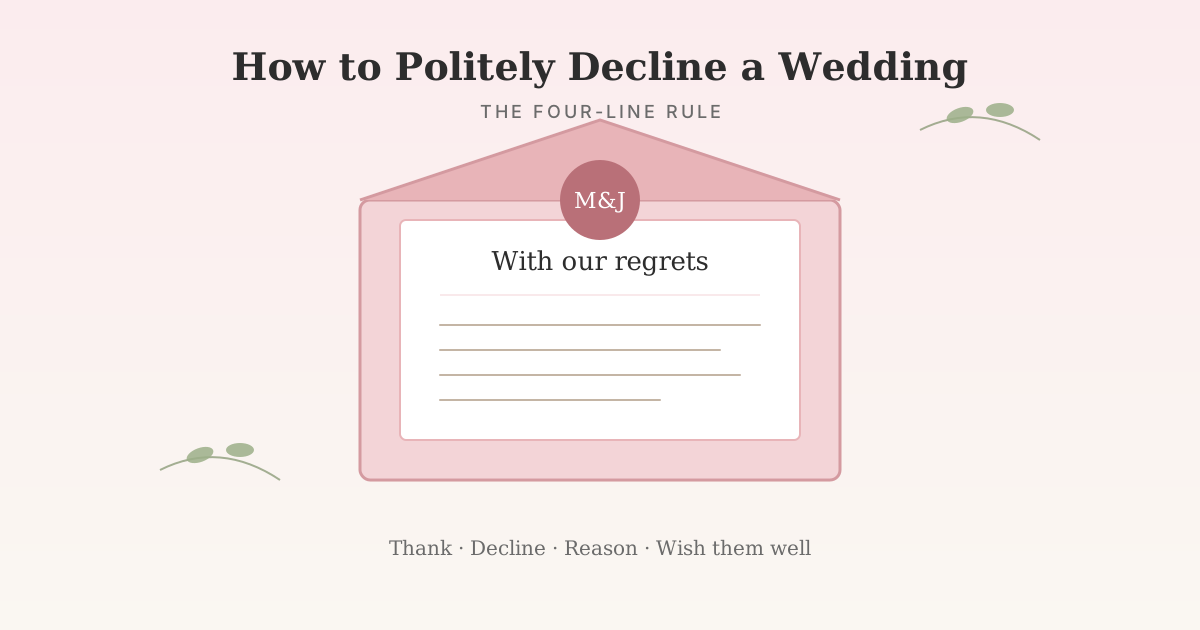
The polite way to decline a wedding invitation is the four-line rule: thank, decline, reason (optional), wish them well — sent before the RSVP date, sized to the closeness of the relationship, and never burying the "no" under apologies. That single shape works across every relationship and reason. The differences between a good decline to a close friend and a good decline to your boss are in word choice, not structure.
Want a draft for your specific situation in seconds? The free wedding decline generator builds three side-by-side versions (safe, honest, diplomatic) from your relationship + reason. Below is the etiquette reasoning behind each step.
Is it rude to decline a wedding invitation?
No. Couples plan for an expected decline rate of 15–25%, and a warm, on-time "no" is more useful to the host than a yes-then-cancel. What makes a decline land as rude is rarely the fact of declining — it's the silence, the lateness, or the over-defensive paragraph that reads as making excuses. The etiquette consensus across The Knot, Brides, and Emily Post on this hasn't changed in 30 years.
The four-line shape every working decline follows
- Thank.One sentence acknowledging the invitation and what it means to be on the list. Not gushing — just specific. "Thank you for thinking of us" lands better than "Thank you so much for the most incredible invitation we've ever received."
- Decline.One sentence with the actual no. Don't bury it; don't soften it past recognition. "We won't be able to make it" is the correct register.
- Reason (optional). One sentence, concrete. Either specific enough to be believed or skipped entirely. "The travel isn't going to work this year" is complete; "We've been so busy and things have been crazy" is suspicious.
- Wish them well.One sentence aimed at the day. "Wishing you both the most beautiful day" is the universal closer.
That's it — four sentences. If your decline is past 100 words, you've written a defense, not a decline.
Do you have to give a reason?
Traditional etiquette says no — you don't owe anyone a reason for declining. "We won't be able to make it, but wishing you the best" is a complete RSVP. Giving a reason is appropriate when:
- The relationship is close enough that silence would feel cold — a sibling, your boss, a longtime friend.
- The reason is something they'd want to know — you're pregnant, you're traveling, you're in treatment.
- The reason is universally relatable — childcare, distance, travel cost.
When in doubt, leave it out. A short, warm no with no reason is more graceful than a long defensive one with one. The decline generator gives you both options side-by-side.
How to phrase it for different relationships
Three rules of register that change how the same decline is written:
Close friend
Casual opening ("Hey Sarah —"), can show emotion, real reason if there is one, ends with the friendship ("let's do something just us when you're back"). The honest tone lands better than safe — close friends see through polite-but-vague.
Coworker
Match the formality of how they invited you — a texted invite gets a texted no, a printed save-the-date gets an email. Work framing is appropriate ("I have a deadline that weekend"); skip the heavy emotion. Safe is the right tone.
Boss
Formal email, not text. Deferential register. Don't go past three sentences in the body. Don't bring it up at work afterward unless they do first — treat it as if the invitation was never extended in the working relationship.
Distant relative
Family register — "we," "from this branch of the family," "pass our best to everyone." A modest registry gift in the $50 range is the standard non-attendance gesture for distant relatives.
Ex-partner
Careful, no over-promising, low affect. Send early — at least 6 weeks out. Never name the reason if it's relationship- related; a short "the timing isn't right for me" is the right level of disclosure.
See: ex-partner's wedding
Should you send a gift if you're declining?
Depends on the closeness of the relationship and your finances. Etiquette guideline:
- Close friend / sibling: Yes — a registry gift in the $75–150 range. The gift carries the friendship across the day.
- Casual friend / coworker: Optional. $25–50 is generous; a handwritten card alone is sufficient.
- Distant relative: Yes, modest — $50 range to the registry. The family-event nature of the relationship calls for a small acknowledgment.
- Boss: No personal gift. If the office is doing a group gift, contribute to that.
- Ex-partner:No, unless you've maintained a real friendship. A card alone is appropriate.
If money is genuinely tight, etiquette explicitly allows skipping the gift. A handwritten card costs $0 and carries the same warmth.
What about declining a destination wedding?
Destination weddings are the easiest decline to land. The etiquette consensus is that destination hosts should expect decline rates in the 30–50% range — well above the standard 15–25%. You don't need to itemize the travel cost or apologize for not being able to take time off. "The travel isn't going to work for us" is a complete, gracious answer.
For walking through the exact phrasing, the generator has three tones for the "can't afford the destination wedding" case — pick the one matching your closeness to the couple.
Five common mistakes to avoid
- Silence. The worst decline is the one that never gets sent. Reply by the RSVP date; if you miss it, send the no immediately.
- Over-explaining. Three sentences of reasons reads as defensive. One concrete reason or none at all reads as composed.
- Complaining about the wedding. The cost of the trip, the distance, the day chosen — none of that belongs in your message. Frame it as your limitation, not their imposition.
- Faking a reason you can't carry. If you say you have a work conflict, expect to be asked about it. The decline that needs maintenance is worse than the truth.
- Posting Instagram from your weekend. If you cited work as the reason, your weekend better look like work. The wedding decline that gets exposed by a beach photo is the one that becomes a story.
More decline & RSVP guides
This page covers the general shape. For a specific relationship, situation, or the harder edge cases, these go deeper:
By situation
- Declining a coworker’s wedding invitation — the lowest-stakes decline, with four example wordings.
- Can’t afford a destination wedding — the money-specific version of this decline.
- Do you still send a gift after declining?
Deciding whether to attend at all
- The decision framework for whether you can attend — for when it’s genuinely unclear, not just etiquette.
When in doubt, use the generator
Every combination of relationship, reason, and tone is pre-thought-through in the decline generator. You'll see three side-by-side versions (safe, honest, diplomatic) and can copy any of them, open it in Gmail pre-filled, or use the believability scorer to workshop your own wording. Free, no signup, runs in your browser.