Sage Green Wedding Palette 2026 — The 5 Combinations That Actually Work
Sage green wedding palette guide for 2026: the five accent combinations that hold up in real weddings, two that fail in person, and how to brief vendors so you get the sage you actually want.
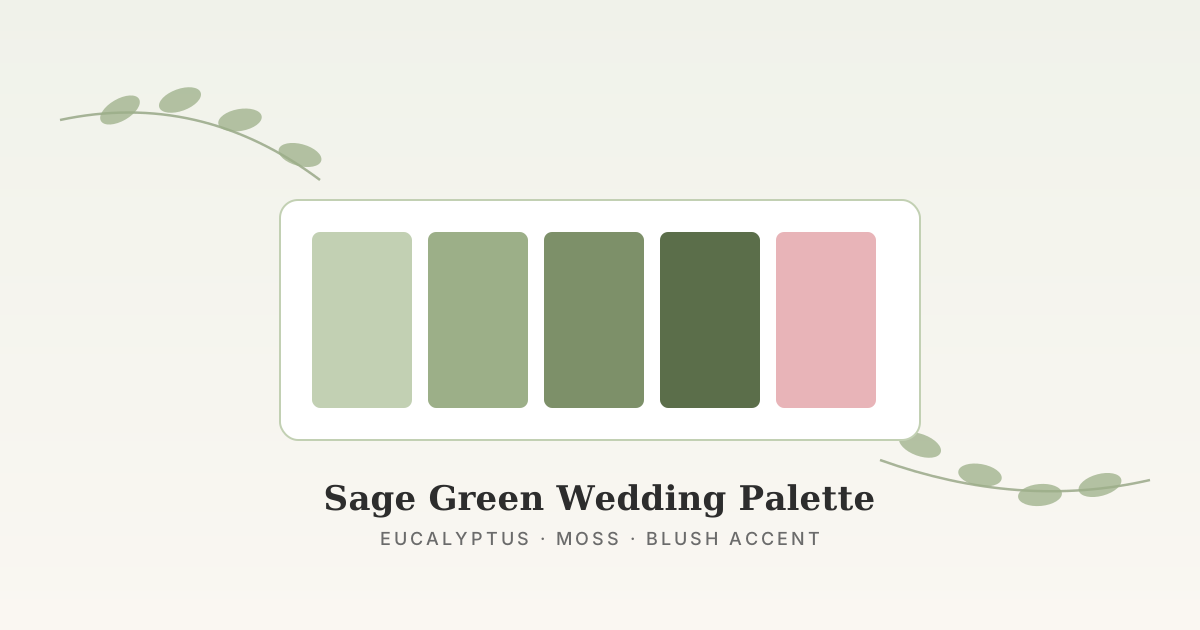
Sage green is the most-searched wedding color of 2026 for one reason: it does the impossible job of looking modern, romantic, and timeless at the same time. It photographs beautifully in any light, matches almost any skin tone in bridesmaid dresses, and forgives every other color choice you make around it. Below is the practical breakdown of the five sage palettes that actually work in real weddings — and the two that look great on Pinterest but fall apart in person.
Why sage green works when other greens don't
Lime green photographs harsh, forest green reads costume-y indoors, emerald is hard to coordinate florals around, and mint is too spring-specific to carry a fall or winter wedding. Sage sits in a narrow band — desaturated enough to feel adult, warm enough to avoid cold-clinical, and pale enough that florists can match it with real foliage (eucalyptus, dusty miller, olive branch) rather than dyed greenery.
The neutral nature of sage is also why it survived the Pinterest cycle: trend colors usually die in 18 months, but sage is now in its sixth year as a top-three wedding palette. It's closer to navy in longevity than to millennial pink.
The five sage palettes worth using
Each combination below has been tested across hundreds of real weddings. The accent listed second is the dominant secondary — the color you'll see on bridesmaid dresses, ribbon, and napkin folds.
- Sage + blush. The safest combination. Reads garden-romantic, photographs warmly, works in every season. The accent rose holds the femininity while sage keeps it from getting sweet.
- Sage + terracotta. The fall-leaning option. Adds an earthy warmth that sage on its own can lack. Best for September–November dates with dried florals and copper accents.
- Sage + dusty blue. The unisex choice. Cool, modern, photographs blue tones cleanly. Strong for groomsmen in dusty blue suits with sage ties.
- Sage + burgundy. The high-contrast option for moody fall and winter weddings. The burgundy carries the drama; sage keeps it from being heavy.
- Sage + cream + gold. The minimalist option for venues that already have a neutral backdrop. Lets the sage breathe; the brushed-gold flatware adds warmth without color competition.
Two sage combinations that look great online but fail in person
Sage + lavender is the first one that breaks. The two cool tones cancel each other out in indoor venue lighting, leaving everything looking grey-purple on photos. It only works under bright daylight, which limits you to outdoor ceremonies before 4 PM.
Sage + bright yellow photographs well but pulls focus from the couple. Yellow outcompetes every other color in the frame; sage becomes a background. If you want sunshine, swap yellow for mustard or ochre — both warmer, both more cooperative.
How to brief vendors so they actually deliver sage
Sage means different things to different vendors. To a florist it could be silver-toned eucalyptus or yellow-toned olive. To a stationer it could read minty or grey. Lock the conversation by giving everyone the same three reference points:
- A HEX value. #B8C5A6 is the most-used wedding sage; #9CAF88 is slightly darker; #C2D0B3 is the lightest credible sage.
- A Pantone reference. Pantone 5783 C or 5793 C are the closest matches to wedding sage and translate cleanly into printing and dye lots.
- A real photo.Send one Pinterest reference showing the exact tone you want. Don't send three — vendors will average them, and the average is never your favorite.
The sage + blush palette page and sage + terracotta palette page bundle the HEX, Pantone, and reference imagery into a single vendor brief PDF — generate one, send it to every vendor, and you eliminate 80% of color-mismatch problems.
Season-by-season sage adjustments
Sage shifts in different seasons. Spring sage leans lighter and cooler; fall sage needs warmth pulled in from the accent (terracotta, mustard, burgundy); winter sage benefits from a deeper shade closer to forest. Don't use the exact same HEX across a January wedding and a June wedding — the indoor light is too different to compensate.
Build your own sage palette
If you want to test specific HEX combinations against real venue mockups, the free wedding palette generator renders six application scenes (invitation, bouquet, tablescape, bridesmaid dresses, chairs, arch) in your exact colors. Lock the sage, tweak the accent, see what actually works before any money changes hands.