How to Pick a Wedding Hashtag That's Actually Unique
Most short wedding hashtags are already taken. The fix is a 4-minute uniqueness audit across Instagram, TikTok, and Google — plus three patterns that almost never collide.
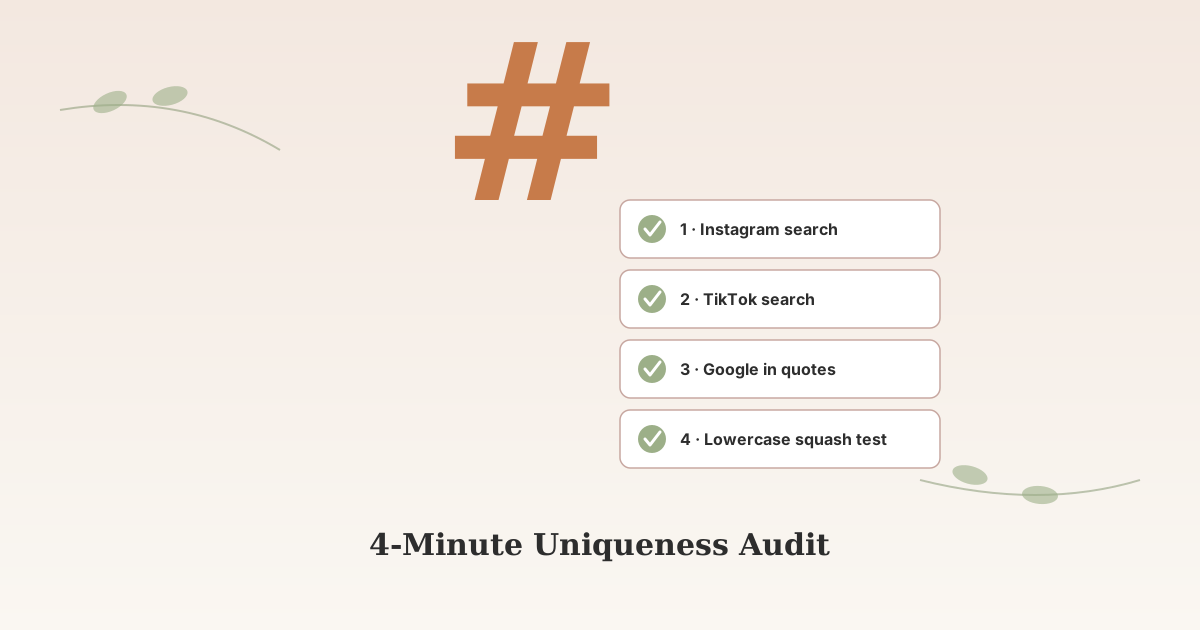
Most short, “catchy” wedding hashtags are already taken by another couple — and there’s no way to know which one is yours until you check. That’s because the surname-pun space is small, the year-suffix space is smaller, and every wedding-hashtag listicle recycles the same templates. The path to a truly unique wedding hashtag is not a longer brainstorm — it’s a four-minute audit you do on three platforms before printing anything.
Why short hashtags collide so often
Three structural reasons. First, “short and catchy” — the universally-given advice — fights uniqueness directly. The fewer characters in the tag, the smaller the namespace. Second, common surnames cluster: there are roughly 2.4M Smiths in the US alone, so anything in the #Smith-Anything family is contested. Third, every popular generator (and every Pinterest listicle) produces the same 8-12 templates per surname pair — #TyingTheKnot, #HappilyEver, #MeetTheXs — so the long tail is already saturated.
The result: most couples pick a tag, never check it, and on their wedding day find two other couples’ photos under the same hashtag. The recovery cost is real — wedding photographers report mixing-up rates spike when guests are encouraged to tag.
The 4-minute uniqueness audit
- Instagram search (60 sec). Type your candidate into the IG search bar, tap the “Tags” row. If the tag has any posts at all, treat it as taken — even one prior wedding under the tag means your guests’ photos will mix with theirs forever. Zero posts = pass.
- TikTok search (60 sec). Same tag, TikTok’s discover bar. TikTok’s hashtag algorithm aggregates differently from IG; tags that look empty on IG sometimes have 50+ posts on TT. Both have to be empty.
- Google with quotes (60 sec). Search
“#YourTag”in quotes. Catches Facebook, X, wedding-blog mentions, and older IG posts the in-app search misses. Zero exact-match hits = pass. - Lowercase squash test (30 sec). All hashtags are case-insensitive under the hood. Read your CamelCase tag as one lowercase string. #FoxAndKnoxNoel reads fine. #DickAndPussyforever reads — well. You see the issue. The squash test catches accidental adult tags every wedding season.
- Friend-spell test (60 sec). Tell two friends the tag out loud, once. Ask them to spell it back. If both spell it back correctly first try, you have a memorable winner. If either pauses, your guests at the open bar will misspell it on their photos — and a misspelled version is a brand-new, uncurated tag.
Three patterns that almost never collide
- Surname + non-obvious year (12+ chars). #TheNguyenFosters2026 is ugly but unique. The combination of surname mash + specific year takes most candidates out of the common namespace.
- Inside-joke phrase (not your names). #FinallyAfterEightYears, #ItStartedAtIKEA, #ParkRangerLove. Phrases tied to your story but unrelated to your names are almost always available, because no wedding-hashtag generator would produce them. The downside: guests won’t guess the tag — you need to print it everywhere.
- Surname + location + year. #JonesCarmel2026 (city), #JonesPier302026 (venue). Adds two layers of specificity and reads as natural shorthand by the wedding date.
The memorability vs uniqueness tradeoff
The shorter and catchier the tag, the more likely it’s taken. Accept that the tag that survives the audit will be slightly longer or slightly weirder than the listicle ideal. The fix for memorability is repetition — printed on the save-the-date, the invitation, the welcome sign, the bar menu, the back of the menu card, and the photo-booth strip. Couples who print the tag in five places get 4-5× the tag usage of couples who only mention it once on the welcome sign.
If you want help generating candidates
The fastest way to get 25+ candidate variations to run through the audit above is the wedding hashtag generator — drop in your two first names and surnames, and it returns five style categories of variations in seconds. From there, run the 4-minute audit on your top three candidates. For a curated list of 50 example tags by style, see 50 wedding hashtag ideas.
Where this advice breaks
If you’re hosting a small private wedding (under 30 guests) and not promoting the tag on social, uniqueness matters less — you can use a shorter, prettier non-unique tag and just curate photos manually. Uniqueness audits are for weddings of 80+ where you want a searchable archive that doesn’t pull another couple’s Greek-island honeymoon photos into your feed.