The 2026 Wedding Cost Breakdown: What Things Actually Cost
The average 2026 wedding costs $33,900 — but the median is $18,000, since a small number of very expensive weddings skew the average. Category-by-category breakdown of where the money actually goes.
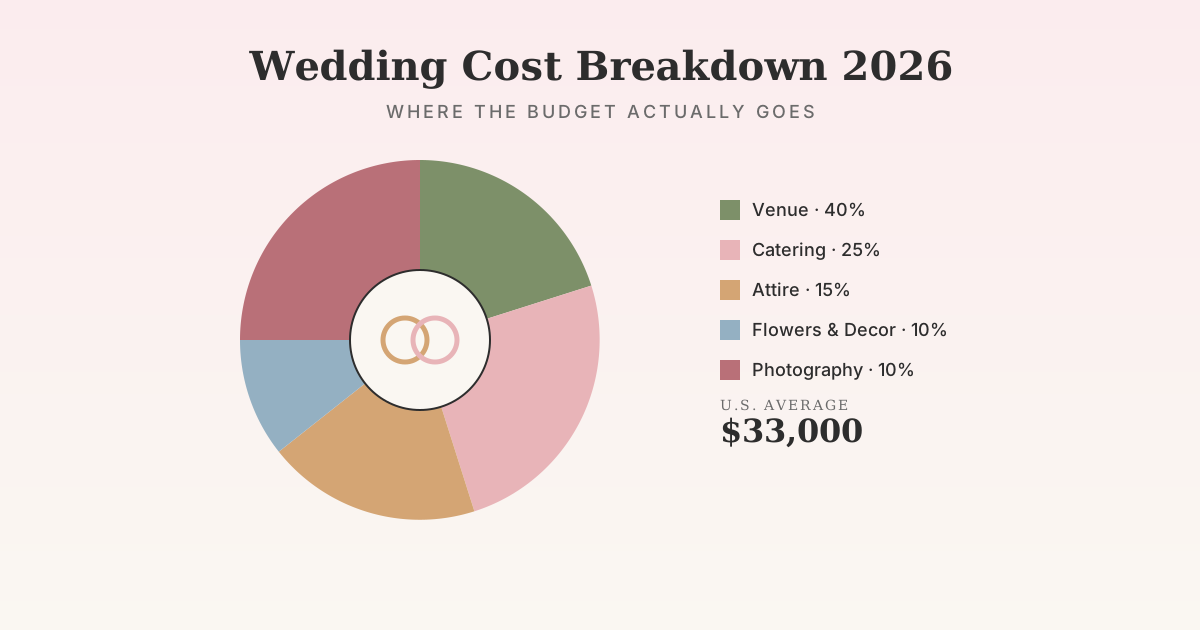
According to The Knot’s 2026 industry data, the average US wedding costs around $33,900 — roughly $295 per guest. Read that average carefully, though: it’s pulled upward by a small number of very expensive weddings, so the median is far lower — around $18,000, meaning half of all weddings cost less than that. A backyard wedding in Boise might run $12K; a 200-person Manhattan reception easily clears $120K. What actually drives the difference, and where does the money go? Below is a category-by-category breakdown of what couples are actually spending, plus the three line items that move your total the most.
Where the money goes (share of the total)
Industry surveys consistently land on the same rough percentage split. Yours might differ — particularly if your venue handles catering in-house — but as a starting frame, apply these shares to whatever your own total is:
- Catering & bar: ~25% — usually the largest single line.
- Reception venue: ~18% — site fee plus basic rentals.
- Photography & video: ~12% — combined; photography alone runs ~8%.
- Music: ~8% — DJ at the low end, live band at the high.
- Ceremony venue & officiant: ~7%.
- Flowers & decor: ~7%.
- Attire (both partners): ~6%.
- Rehearsal dinner: ~4%.
- Wedding bands: ~3%.
- Transportation, invitations, cake, hair/makeup, gifts, license: ~10% combined.
The three line items that actually move your total
If you're trying to bring your wedding in under budget, three decisions matter more than everything else combined:
- Guest count. Almost every variable cost scales with how many people you invite — catering, bar, cake, invitations, transportation, favors. Cutting 20 guests from a 120-person wedding saves more than the entire flower budget.
- Day of week. Friday and Sunday weddings often save 15-30% on venue fees compared to Saturday. Off-season months (November through April outside the South) save another 10-20%.
- Bar choice. Open bar with spirits doubles per-guest bar cost compared to beer + wine only. Switching to a curated short list (one signature cocktail, two wines, beer) gets you 90% of the joy at 50% of the cost.
2026 cost ranges by region
Geography matters more than category. Same wedding, same guest count, same vendors — the cost can double or triple depending on where you're married. The ranges below are our 2026 estimates, extrapolated from 2024–2025 industry reports (The Knot, WeddingWire, Brides):
- NY/NJ/CT & CA metro: $50K–$95K
- Boston / Chicago / DC: $40K–$65K
- Austin / Dallas / Miami / Atlanta: $30K–$50K
- Mountain West, Midwest, Southeast: $20K–$35K
- Rural & small-town venues: $15K–$25K
- Destination (Mexico, Caribbean): $20K–$45K with 30-60 guests
Who pays for what
The traditional American split (bride's family hosts, groom's family covers rehearsal dinner and honeymoon) still applies to roughly 15% of weddings, but the majority of 2026 couples use a hybrid model: couple covers the venue and catering, both families contribute toward specific categories. Roughly a quarter of weddings are fully couple-funded, especially second marriages and older couples.
For an editable breakdown of who pays what for your specific budget and family situation, try the free who-pays calculator — it splits the budget across 17 categories, shows the suggested payer for each, and lets you reassign per line. Comes with a pie chart and a printable PDF you can share with parents.
Three numbers to know going in
Before you start spending, decide on three numbers as a couple — and write them down where you can both see them:
- Total budget (the ceiling). What you can spend without taking on debt or draining savings you actually need.
- Stretch ceiling (the “if necessary”). What you'll allow yourselves to go up to if one vendor turns out to be more expensive than expected.
- Walk-away number (the “don't even ask”). The point past which you're no longer willing to negotiate with reality. Above this number, the wedding stops making sense.
Couples who set all three numbers up front and revisit them monthly almost never overspend. Couples who only set the first one almost always do.