Wedding Speech Nerves: The 5-Step Pre-Mic Routine That Actually Works
What to do in the 30 minutes before your speech — the 5-step routine, the caffeine/alcohol math people get wrong, and the blank-out recovery move every speech-giver eventually needs.
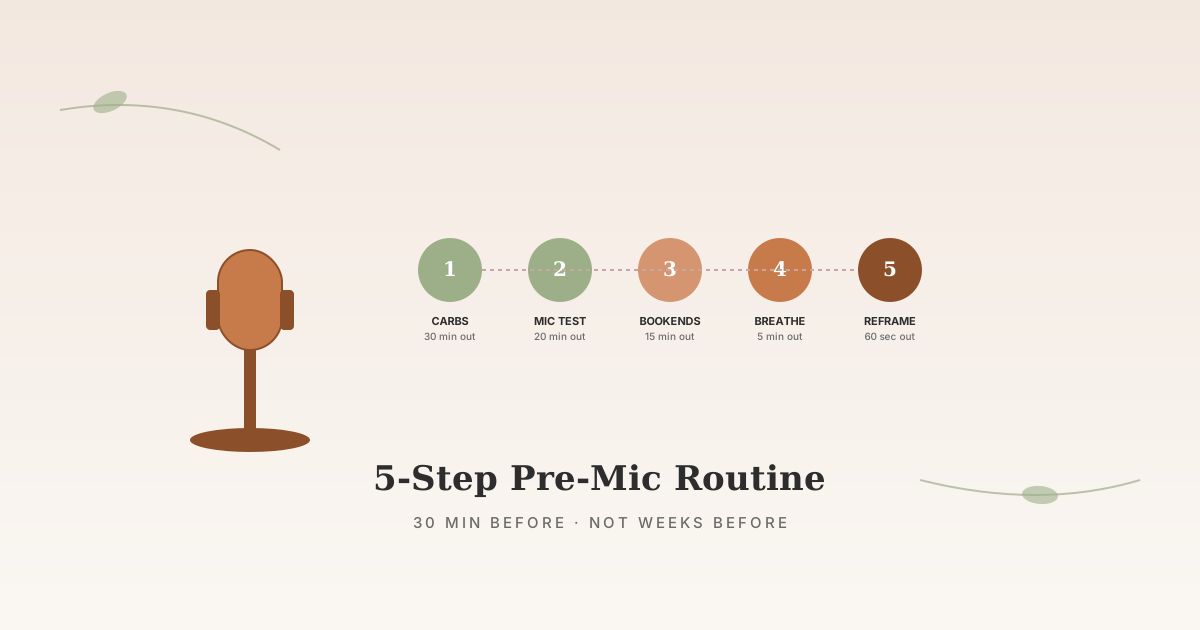
Wedding speech nerves are usually fixed in the 30 minutes before you stand up — not in the weeks of practice beforehand. Standard advice (breathe deeply, practice often, be authentic) is true but vague. The version that actually helps is a specific pre-mic routine, calibrated for the reception environment: noisy room, ambient alcohol, a microphone you haven’t tested, and a partner who will be looking right at you. Below: the 5-step routine, the caffeine / alcohol math people get wrong, and the blank-out recovery move every speech-giver eventually needs.
The 5-step pre-mic routine
Step 1 — Eat carbs at 30 minutes out
Anxiety burns through blood sugar, and low blood sugar feels like more anxiety. A bread roll, a pasta bite, anything starchy with the appetiser course — eat it intentionally 30-45 minutes before you speak. Skip protein-only options at this window. The carb buffer keeps your voice steady and prevents the shaky-hands version of nerves that comes from running on adrenaline alone.
Step 2 — Test the mic at 20 minutes out
Most speech panic comes from a microphone surprise — feedback, a dead battery, awkward weight, a placement that catches your breath. Pull the DJ aside 20 minutes before your speech. Ask to hold the mic for 30 seconds. Test where to hold it (~3-4 inches from your mouth, slightly below, not in front). That 30 seconds removes 80% of the surprise variance.
Step 3 — One bathroom mirror rehearsal at 15 minutes out
Step into the bathroom. Read the opening sentence and the closing sentence out loud — not the whole speech. Just the bookends. These are the lines guests remember most, and they’re also the lines most likely to derail (the opening because of nerves, the closing because of relief). Locking those two is the highest-leverage single move you can make at the 15-min mark.
Step 4 — Box-breathing at 5 minutes out
Inhale 4 seconds. Hold 4 seconds. Exhale 6 seconds. Hold 4 seconds. Repeat 4 cycles. The 6-second exhale (longer than the inhale) is the critical part — it triggers the parasympathetic response and drops heart rate ~5-10 bpm within 60 seconds. Skip the standard 4-4-4 box advice; the longer exhale variant is meaningfully better for stage anxiety.
Step 5 — Reframe nerves as excitement, out loud
Studies on stage anxiety (Alison Wood Brooks, HBS) found that people who said “I’m excited” out loud before performing scored consistently higher on confidence and audience-rated performance than people who said “I’m calm.” The reframe works because nervous and excited have nearly identical physiology — the difference is the label. Say the word “excited” out loud, even quietly to yourself, in the 60 seconds before you stand up. It feels stupid. It works anyway.
The caffeine / alcohol math
Two specific corrections to the “just have a drink to calm down” instinct.
- One alcoholic drink, no more, no closer than 90 minutes before. A single beer or wine 90 minutes out reduces anxiety measurably without affecting articulation. Two drinks consistently impair pacing — listeners can detect the extra drink in 60-90 seconds of speech, and the speaker can’t feel it themselves. Cut at one.
- No caffeine within 4 hours. Caffeine peaks blood concentration 45-60 minutes after intake and stays elevated for ~3-5 hours. A coffee right before your speech amplifies the same physical anxiety symptoms (heart rate, voice tremor, dry mouth) that the breathing exercise is trying to suppress. If you need caffeine for the day, take it at the brunch / morning window.
The blank-out recovery move
At some point in your speech, you may forget what comes next. Don’t panic-fill. Don’t apologise. The recovery move that always works: take an unhurried breath, look at the couple specifically, say one warm sentence directly to them (“I love you both so much”), then either: pick up from the next bullet in your notes, OR go straight to your closing toast. Both work. The audience reads the pause as emotional, not forgetful. They’re on your side.
Have your closing toast line memorised cold — six or seven words you could recite if everything else fell apart. That line is your safety landing.
Don’t over-rehearse the night before
Practising 5+ times the night before usually backfires — the speech starts to sound robotic, the speaker hits a diminishing-returns plateau and starts to spot “flaws” that need fixing past midnight. Two rehearsals the day before is the right dose. One the morning of. None within 90 minutes of the speech itself.
The right length helps too
Speech length and speech anxiety are linked. A 7-minute speech requires sustained delivery in a way that a 3-minute speech doesn’t — and the longer the speech, the more opportunities to spiral if a single beat lands wrong. If you’re nervous, target 3 minutes. See wedding speech length: the 3-minute rule for the cut framework.
Build the speech itself
For a structured starting draft from a few prompts, use the wedding speech generator — pick the role, answer 4-5 questions about the couple, get a draft you can shape. For role-specific examples, best man speech examples and mother of the bride speech template are both written tight enough to actually use.
Where this routine breaks
Two cases. First, if you have clinically diagnosed social anxiety or a panic disorder, this routine is supplementary, not a replacement for whatever your therapist or doctor has you doing. Beta-blockers (prescription) are widely used by professional speakers and musicians for exactly this scenario — if you suspect this is your situation, talk to a doctor well before the wedding, not the week of. Second, if you are the bride or groom doing your own vows and feeling nervous, the routine still works but the alcohol caveat is harder — you may have already had multiple toasts before your turn. Plan to do vows BEFORE the open bar opens, not after.