Terracotta + Sage Wedding Palette — The Earth-Tone Pair That Reads in Photos
Why terracotta + sage outperforms most fall palettes — and the two combinations that look great on Pinterest but fail in venue light. Five working variants, exact HEX + Pantone codes for vendors.
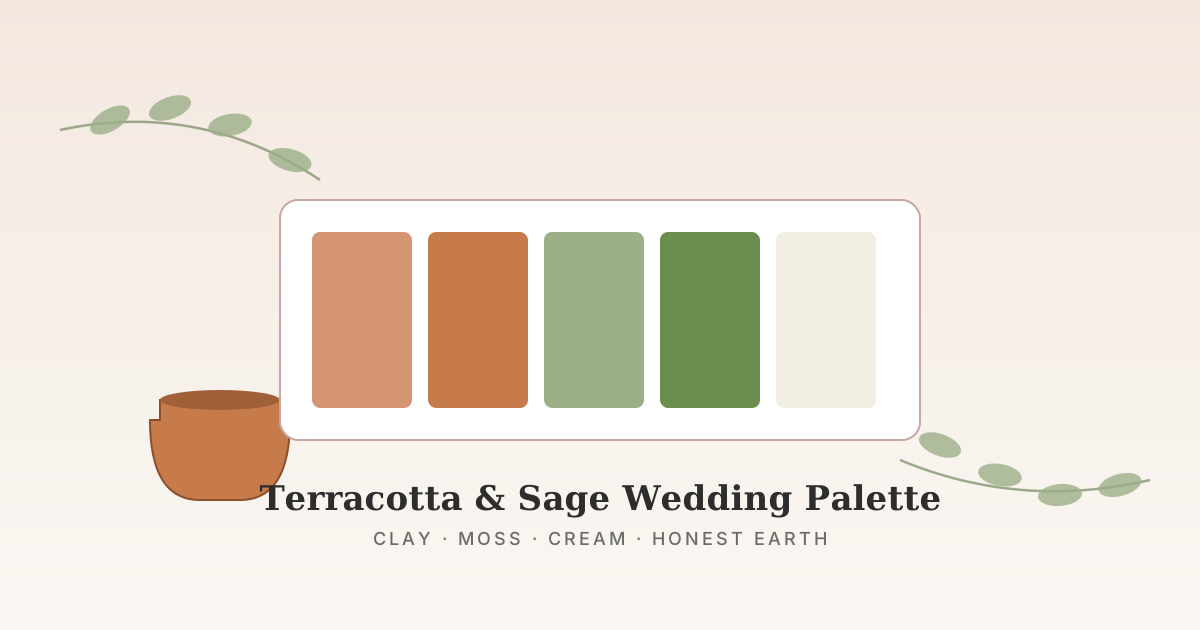
Terracotta + sage is the most-saved fall palette on Pinterest, but three out of five real-wedding executions of it end up looking like a Thanksgiving table. The combination works only when you respect a narrow tonal band on both colors and avoid two specific accent traps. Below is what actually photographs from this palette in real venue light — and which two combinations look perfect online and disintegrate in person.
Why earth-tone pairs work at all
Both terracotta and sage are desaturated relative to their pure forms. True red and true forest green clash; muted clay and muted moss harmonise because the saturation drop creates negative space for each color to read. The same logic governs every working autumn palette — burgundy + champagne, rust + cream, mustard + olive. Saturation parity is the rule. The moment one of the two colors is at full saturation, the other reads as accent rather than partner.
The most common failure mode for terracotta + sage is a bride who picks a vibrant pumpkin terracotta (e.g. Pantone 16-1442 Pumpkin) and pairs it with a deep forest sage. Both are at full saturation. The result in venue light is two competing colors, not a palette — and the photos read as “fall costume party” rather than wedding.
The 5 combinations that actually photograph
- Terracotta + sage + cream (the classic). Terracotta as the saturation anchor (about 30% of visual weight), sage as the soft secondary (about 30%), cream as the breathing room (40%). The 30/30/40 split is the formula every consistent fall tablescape uses. Works in every venue.
- Terracotta + sage + warm taupe. The neutral here is darker than cream — a Pantone 7531 C tone. Useful for evening receptions where cream would wash out under tungsten light. Reads more grown-up than the classic.
- Terracotta + sage + dried wheat + cream. The four-color boho variant. Wheat reads as a fourth color (gold-beige) and gives the eye somewhere to rest between the terracotta and sage. Best for outdoor / barn / vineyard ceremonies — the dried wheat does literal botanical duty.
- Light terracotta + deep sage + cream. Inversion of the classic — lighter terracotta (toward salmon) and deeper sage (almost olive). Reads spring/early summer rather than autumn. The combination most people don't realise is possible.
- Terracotta + sage + burgundy + cream. The maximalist fall version. Burgundy as a punctuation color (5-10% of visual weight max — ribbon, wax seals, accent florals). More than 10% burgundy and the palette becomes burgundy-dominant with terracotta as accent.
Two combinations that look perfect online and fail in venue light
Terracotta + sage + mustard yellow. Pinterest moodboards love this combination — three earthy colors, looks "harvest." In venue light, mustard pulls toward acid yellow under any cool light source (LED uplights, late afternoon shade) and competes with terracotta for warm attention. Guests describe the resulting photos as "loud." If you want a third warm color, use ochre (#C49B5A) or amber (#D4A574) — both stay tonally close to terracotta without going electric.
Terracotta + sage + bright coral. Coral and terracotta sit too close on the warm spectrum to coexist — they read as "the bride couldn't decide what kind of warm." The fix is to replace coral with blush (cooler) or rust (deeper) so the warm side of the palette has clear hierarchy.
Florals that hold this palette
Terracotta in real florals is rare — almost all wedding "terracotta" flowers are dyed or interpreted. The blooms that read terracotta naturally:
- Dahlias (Cafe au Lait — the gold-standard fall bridal dahlia)
- Garden roses in "Combo" or "Honey Dijon" varieties
- Quicksand roses (the muted peach-terracotta hybrid)
- Toffee roses (deeper, more burnt-orange)
- Dried bunny tails + pampas (terracotta-adjacent neutrals)
For sage: eucalyptus (silver dollar OR seeded — silver dollar reads softer), olive branch, dusty miller (for the silver-sage accent), and italian ruscus. Avoid: bright kale or any spring-leaning bright green.
Brief your vendors with HEX + Pantone — not adjectives
"Terracotta" means different things to different vendors. To eliminate ambiguity, lock the conversation by giving every vendor the same three reference points:
- Terracotta HEX. #C77B4A is the most-used wedding terracotta. #B8693A is slightly deeper (more autumn). #D49570 is lighter (spring/early fall).
- Sage HEX. #9CAF88 is the most-used. #B8C5A6 is lighter. #6B8E4E is darker / forest-leaning.
- Pantone references. Terracotta = 7522 C, Sage = 5783 C. These translate cleanly into print runs (invitations, programs) and dye lots (bridesmaid dresses, ribbon).
See the dedicated sage + terracotta palette page for the full vendor brief PDF generator — it bundles HEX, Pantone, and reference imagery into one downloadable file you send to every vendor at the start of the engagement.
Build your own variant
To preview a specific terracotta + sage HEX combination against venue mockups (tablescape, bouquet, chairs, arch, invitation, bridesmaids) before committing, use the wedding palette generator — pick your two anchor HEXes, add a neutral, and the tool renders six application scenes in your exact colors. The vendor brief PDF generates from the same five swatches.
For related earth-tone reading, see sage green wedding palette and burgundy fall wedding color scheme — both go deeper on adjacent palette decisions.
Where this advice breaks
Terracotta + sage is fall-leaning. For January-March winter weddings, the palette photographs as anachronistic — the warmth reads as out-of-season. For deep summer (July-August), the terracotta competes with skin tones flushed from heat in outdoor photos. Best months for this palette: late August through November, and a narrow window in late April / early May for the lighter inversion variant.